What is Glass Reinforced Plastic (GRP)?
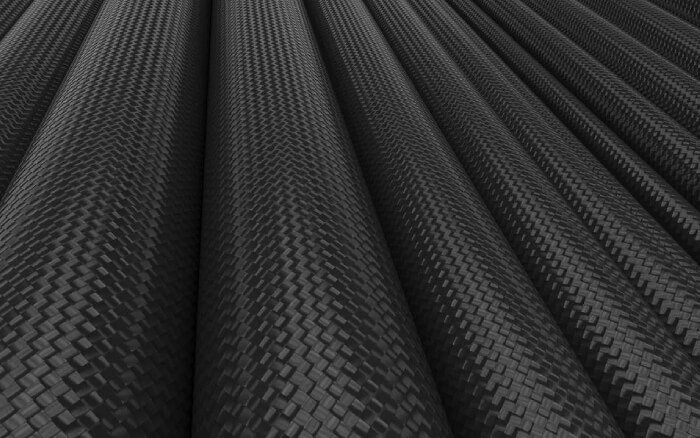
 Glass Reinforced Plastic (GRP), also known as fiberglass reinforced plastic, is a composite material made from a polymer matrix reinforced with glass fibers. The combination of glass and plastic creates a strong, durable, and lightweight material used in a wide range of applications, including construction, automotive, and aerospace industries. In the context of concrete construction, GRP is often used for reinforcing and enhancing the properties of concrete structures.
Benefits of Glass Reinforced Plastic (GRP)
GRP offers several significant advantages that make it an ideal choice for reinforcing concrete structures, particularly in harsh environmental conditions. Some of the key benefits include:
- Corrosion Resistance: Unlike traditional materials like steel, GRP is highly resistant to corrosion, making it an ideal solution for structures exposed to moisture, chemicals, or saltwater environments.
- Lightweight: GRP is much lighter than traditional reinforcement materials, which reduces the overall weight of structures and makes handling and installation easier.
- High Strength-to-Weight Ratio: GRP provides a strong reinforcement with minimal additional weight, making it suitable for a wide range of construction applications.
- Durability: GRP is highly durable and resistant to UV degradation, chemical attacks, and environmental wear, extending the lifespan of concrete structures.
- Design Flexibility: GRP can be molded into complex shapes, offering greater design flexibility compared to traditional reinforcement methods.
Applications of Glass Reinforced Plastic (GRP)
GRP is commonly used in a variety of concrete-related applications, particularly where resistance to harsh environments or lightweight reinforcement is required. Some common uses include:
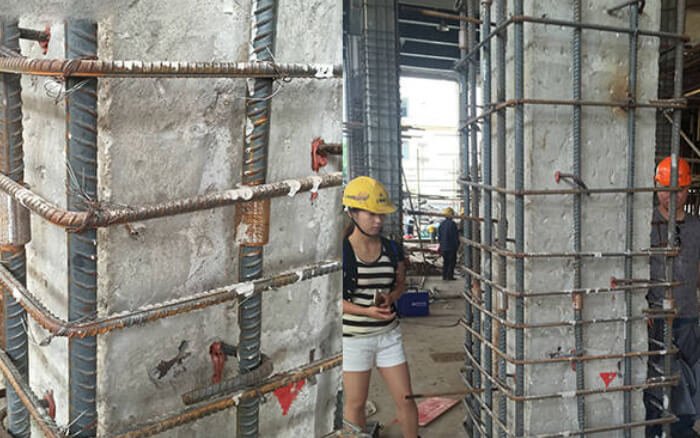
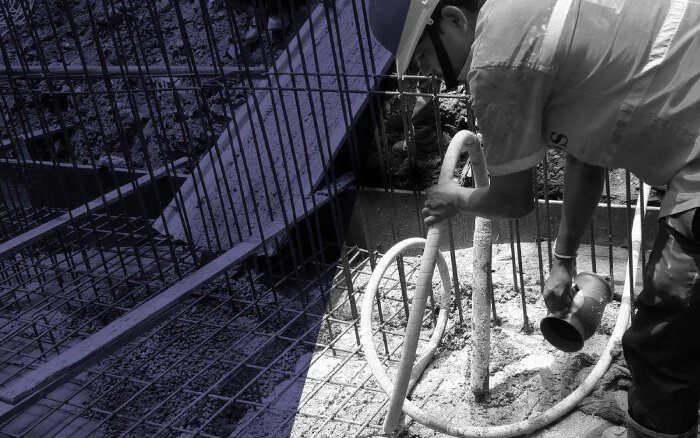
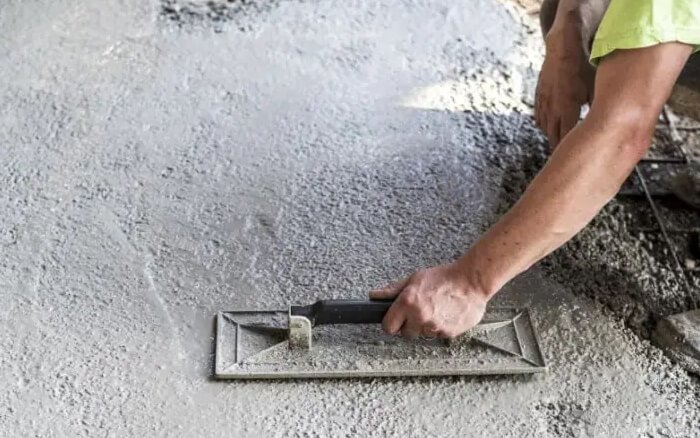
- Concrete Repairs: GRP is often used to strengthen and repair concrete structures that have suffered from damage due to corrosion or wear.
- Marine Structures: In coastal and marine environments, GRP is used to reinforce concrete structures such as piers, docks, and seawalls due to its corrosion resistance.
- Precast Concrete Elements: GRP is incorporated into precast concrete elements for added strength and durability, particularly in demanding environments.
- Architectural Features: GRP is also used for decorative and functional elements in concrete construction, such as facades, cladding, and panels, due to its flexibility in design.
How Does GRP Compare to Traditional Reinforcements?
When compared to traditional reinforcement materials like steel, GRP offers several distinct advantages:
- Corrosion Resistance: Steel reinforcement is prone to rust and corrosion over time, especially in moist or salty environments. GRP, on the other hand, is immune to such deterioration, significantly increasing the lifespan of reinforced structures.
- Reduced Weight: GRP’s lightweight nature makes it easier to transport and install, reducing overall project costs and simplifying construction processes.
- Long-Term Performance: GRP provides superior resistance to environmental damage and requires less maintenance than steel, making it a more cost-effective option in the long run.
Conclusion
Glass Reinforced Plastic (GRP) is a versatile and high-performance material that enhances the strength, durability, and resistance of concrete structures. With its corrosion resistance, lightweight properties, and long lifespan, GRP is an ideal choice for various applications, particularly in harsh environmental conditions. As demand for durable, low-maintenance materials continues to grow, GRP is proving to be an invaluable resource in modern construction.